Annual Wellness Exams: Why Preventive Care Matters at Every Life Stage
Preventive care for pets is the single most effective strategy for supporting a long, healthy life, and it matters at every stage from puppyhood and kittenhood through the senior years. Annual wellness exams allow your veterinarian to catch health changes early, update preventive treatments, and build a complete picture of your pet’s baseline health over time. At Paws and Claws Animal Medical Center in Dunedin, our veterinary team is committed to helping pets and their owners stay ahead of health challenges rather than simply responding to them.
What Is Preventive Care for Pets?
Preventive care for pets encompasses all of the proactive steps taken to maintain health and detect problems before they become serious. It goes well beyond vaccinations. A comprehensive preventive care program includes annual or semi-annual wellness exams, parasite screening and prevention, dental evaluations, nutritional assessments, behavioral consultations, and age-appropriate diagnostic screening. Preventive care is how veterinarians gather the information needed to understand what is normal for your individual pet and identify when something changes.
Pet owners sometimes wonder whether annual wellness visits are really necessary if their animal seems perfectly healthy. The answer is yes, and for important reasons. Animals instinctively hide signs of illness and discomfort. By the time a pet visibly appears unwell, a condition may already be significantly advanced. Routine veterinary preventive care for pets is how subtle, early-stage problems get found and addressed.
Building a Healthy Foundation for Puppies and Kittens
The foundation of a healthy life is built in the earliest months through preventive care for puppies and kittens. Puppies and kittens require a series of veterinary visits during their first year to establish protective immunity through vaccinations, establish parasite prevention, and monitor their growth and development. This early period is also an ideal time to discuss spaying or neutering, microchipping, nutrition, and behavioral health with your veterinarian.
Core Vaccinations for Puppies
Core vaccines for puppies include distemper, parvovirus, adenovirus, and rabies. Non-core vaccines like Bordetella, leptospirosis, and Lyme disease may be recommended based on lifestyle and local disease risk. Our veterinarians at Paws and Claws Animal Medical Center evaluate each puppy’s individual risk factors to design an appropriate vaccination schedule. In Florida, where certain diseases like leptospirosis are prevalent due to wildlife and water exposure, lifestyle-based vaccine recommendations are especially important.
Core Vaccinations for Kittens
Kittens receive core vaccines protecting against feline herpesvirus, calicivirus, panleukopenia, and rabies. Feline leukemia virus (FeLV) vaccination is recommended for kittens that go outdoors or have contact with other cats. Feline preventive care is equally essential during this stage, as early veterinary relationships and health baselines set the stage for better outcomes throughout the cat’s entire life.
Preventive Priorities for Dogs and Cats in Their Prime
Once a pet completes the initial puppy or kitten series, preventive care for pets shifts into a maintenance mode focused on annual wellness exams, booster vaccinations, parasite prevention, and ongoing health monitoring. This is often the life stage where preventive care visits feel less urgent to owners, but they remain just as important. Adult pets may look and act healthy while harboring developing conditions that are not yet symptomatic.
What Does an Annual Wellness Exam Include?
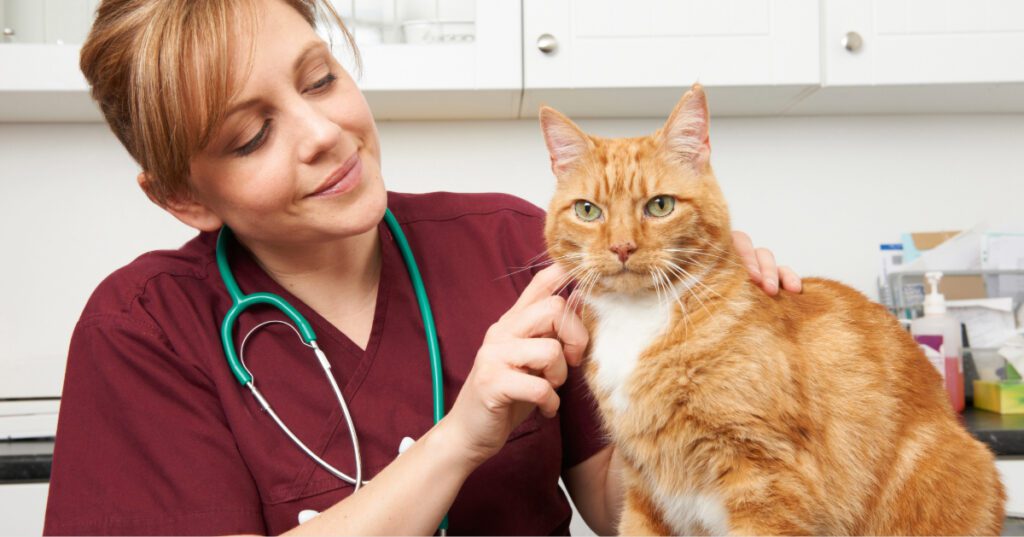
A comprehensive annual wellness exam at Paws and Claws Animal Medical Center covers a thorough head-to-tail physical examination, weight and body condition assessment, dental evaluation, discussion of diet and nutrition, parasite screening, vaccine review and updates, and heartworm testing. For dogs and cats in the one-to-seven-year age range, these visits provide critical continuity of care. Your veterinarian gets to know your pet’s individual normal, which is the baseline against which future changes are measured.
Dental Health as Part of Preventive Care
Dental disease is one of the most common preventable conditions affecting adult pets. Studies suggest that the majority of dogs and cats show signs of periodontal disease by age three. Left unaddressed, dental disease causes pain, tooth loss, and can contribute to systemic health issues affecting the heart, kidneys, and liver. Regular dental evaluations during annual wellness exams, along with veterinarian-recommended at-home dental care between visits, are an important component of comprehensive preventive care for pets.
How Preventive Care Shifts as Your Pet Gets Older
As pets enter their senior years, the nature of preventive care evolves to meet their changing health needs. Most veterinarians classify dogs and cats as senior around age seven, though large and giant dog breeds may reach senior status earlier. Senior pets benefit from more frequent wellness exams, typically every six months, along with expanded diagnostic screenings designed to catch age-related conditions early.
Common Health Conditions in Senior Dogs and Cats
The health conditions most commonly seen in senior pets include arthritis, dental disease, kidney disease, thyroid disorders, diabetes, heart disease, and cancer. Many of these conditions are manageable when caught early, but become significantly harder to treat when detected late. Senior pet preventive care focuses on early detection through blood panels, urinalysis, blood pressure monitoring, and thorough physical exams. Regular preventive care for senior pets genuinely extends both length and quality of life.
Why Do Senior Pets Need More Frequent Vet Visits?
A year in a senior pet’s life is equivalent to several human years in terms of physiological change. Health status can shift more rapidly in older animals, meaning conditions that were absent at a January wellness visit could be present and progressing by July. Semi-annual exams give the veterinary team at Paws and Claws Animal Medical Center the opportunity to stay ahead of these changes and adjust care plans promptly when needed.
Preventive Diagnostics: Blood Work, Urinalysis, and More
A critical element of pet preventive health care is diagnostic testing, particularly as pets age or if they have known risk factors. Blood panels and urinalysis provide a detailed look at organ function, blood cell counts, and metabolic health. These tests establish reference ranges specific to your individual pet, making future comparisons meaningful.
- Complete blood count (CBC): Evaluates red blood cells, white blood cells, and platelets to detect infection, anemia, immune disorders, and more.
- Comprehensive metabolic panel: Assesses kidney function, liver function, blood glucose, and electrolytes.
- Thyroid panel: It is especially important for senior cats, where hyperthyroidism is extremely common, and for dogs at risk for hypothyroidism.
- Urinalysis: Evaluates kidney function, hydration, and screens for urinary tract infections, diabetes, and kidney disease.
- Fecal examination: Screens for intestinal parasites that may not be visible and are sometimes transmissible to humans.
Nutrition and Weight Management in Preventive Pet Care
Proper nutrition is a cornerstone of preventive care for pets at every life stage. Obesity is one of the most common and preventable health conditions in companion animals, and it significantly increases risk for arthritis, diabetes, heart disease, and other serious conditions. At Paws and Claws Animal Medical Center, every wellness exam includes a body condition score assessment and nutritional discussion tailored to your pet’s age, breed, activity level, and health status.
Nutritional needs change as pets grow, mature, and age. What worked well for your dog at age two may not be appropriate at age ten. Your veterinarian can help you choose the right food, portion sizes, and feeding schedule to support optimal health throughout every life stage.
The True Value of a Long-Term Veterinary Relationship
One of the often-overlooked benefits of consistent preventive care for pets is the long-term relationship it builds between your animal and their veterinary team. A veterinarian who has seen your pet annually from puppyhood or kittenhood onward has a deep, longitudinal understanding of that animal’s health that simply cannot be replicated in a one-time or emergency visit context.
- Individualized baselines: Your vet knows what’s normal for your specific pet, making deviations easier to recognize.
- Proactive planning: Long-term relationships allow veterinarians to anticipate breed-specific risks and plan preventive screenings accordingly.
- Better treatment outcomes: Pets seen regularly tend to have conditions caught earlier and treated more successfully.
- Owner education: Veterinarians who know you and your pet can provide more tailored guidance on nutrition, behavior, and home care.
Schedule Your Pet’s Annual Wellness Exam at Paws and Claws Animal Medical Center
Preventive care for pets is not a once-in-a-while task. It is an ongoing commitment that pays dividends in health, quality of life, and years spent together. Whether your pet is a new puppy or kitten, a healthy adult, or a senior companion, our veterinary team at Paws and Claws Animal Medical Center in Dunedin is ready to partner with you in their care.
If your dog or cat is overdue for a wellness visit, or if you have questions about what preventive care is right for your pet’s current life stage, call Paws and Claws Animal Medical Center at (727) 953-6588 to schedule an appointment. Proactive, consistent preventive care is one of the greatest gifts you can give the animals who depend on you.